







Explore:
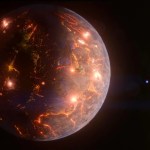
Exoplanets
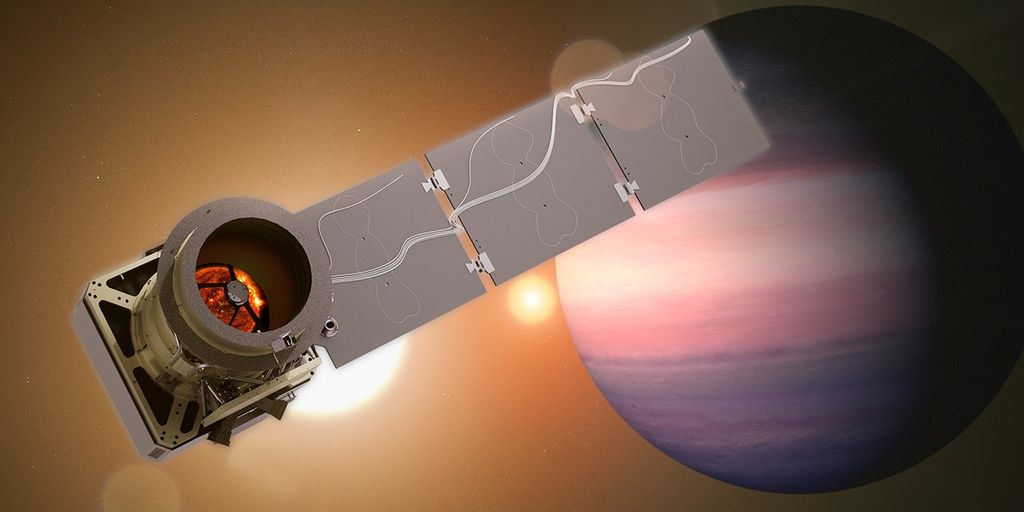
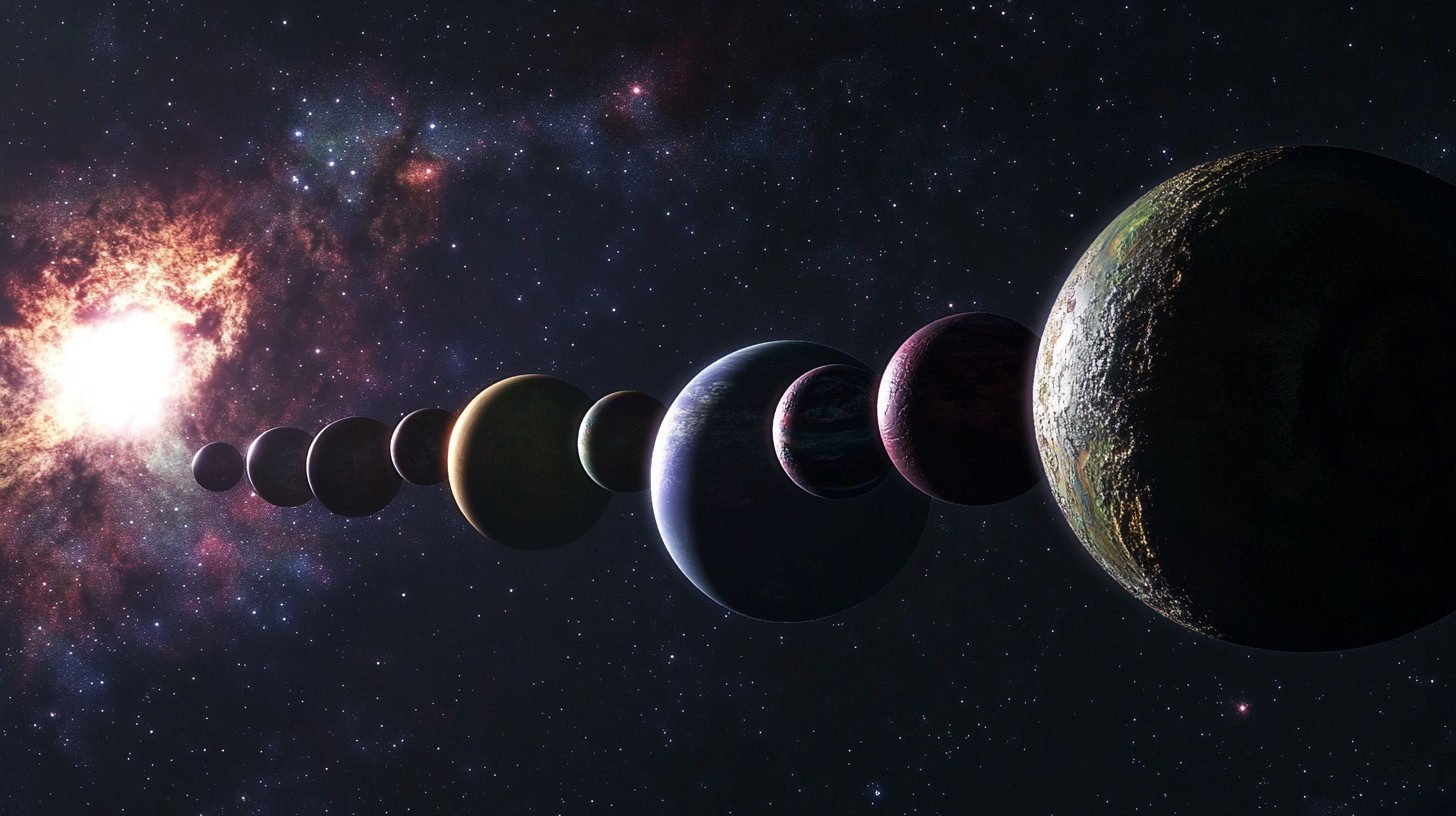
Worlds beyond our solar system.
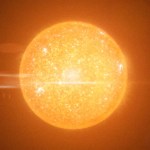
Stars
Giant balls of hot gas that burn for millions to billions of years.
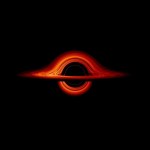
Black Holes
Concentrations of matter with gravity so powerful not even light can escape.
Galaxies
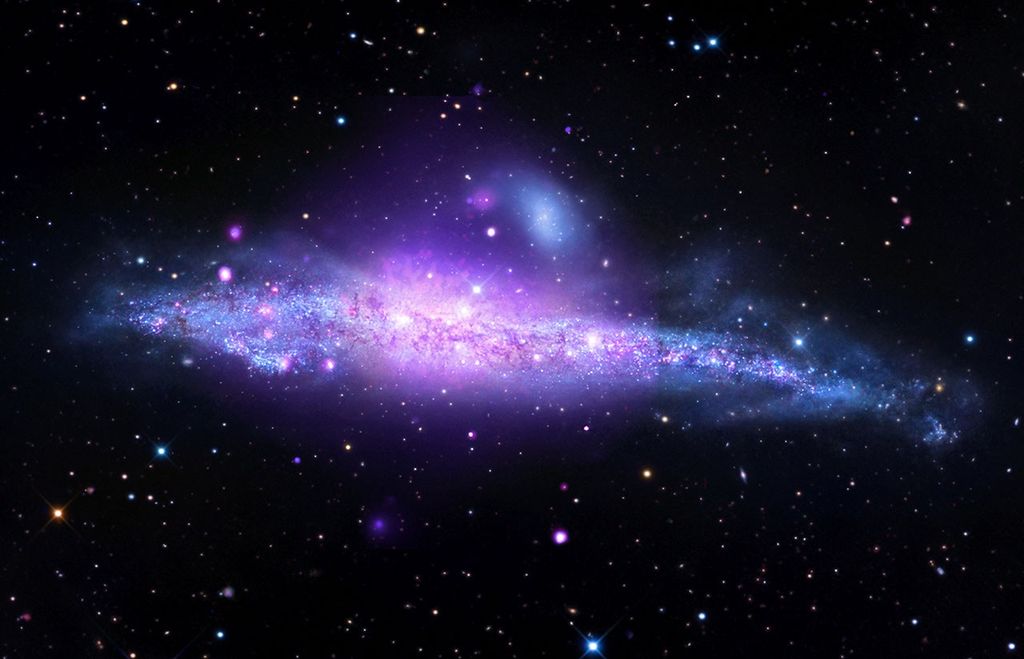
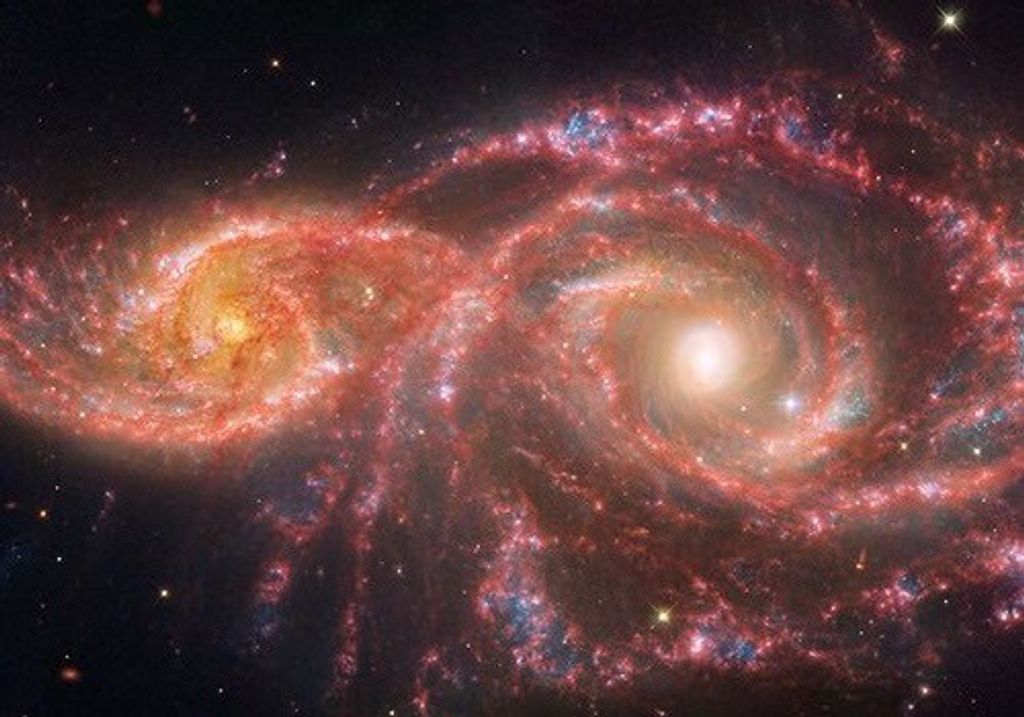
Collections of stars, planets, and vast clouds of gas and dust bound together by gravity.
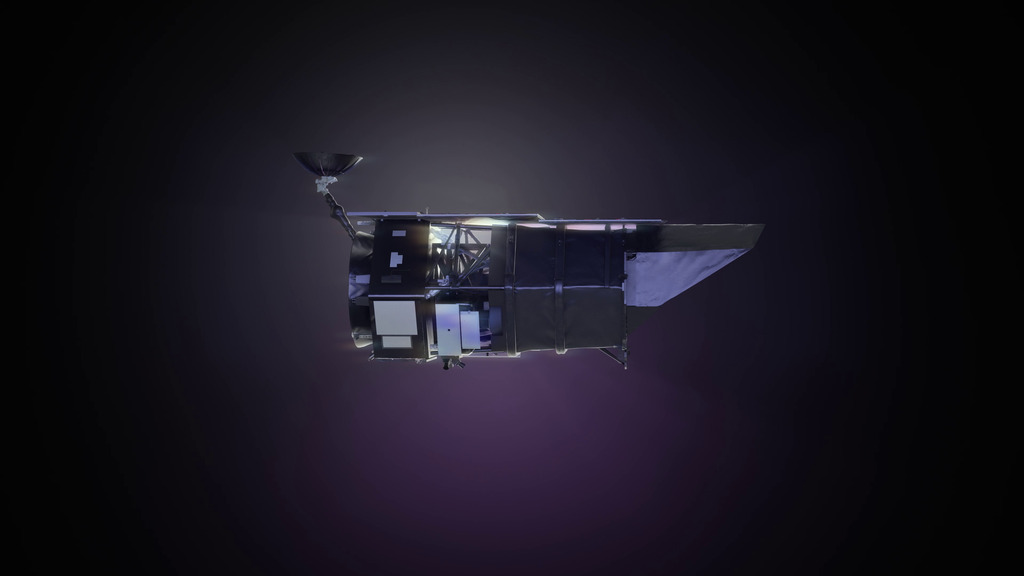
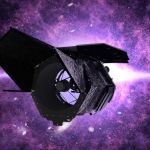
NASA’s Dark Universe-Seeking Nancy Grace Roman Space Telescope Launches
Now on a three-month, million-mile journey to its final orbit, NASA’s Nancy Grace Roman Space Telescope will soon reveal the…
Read the Story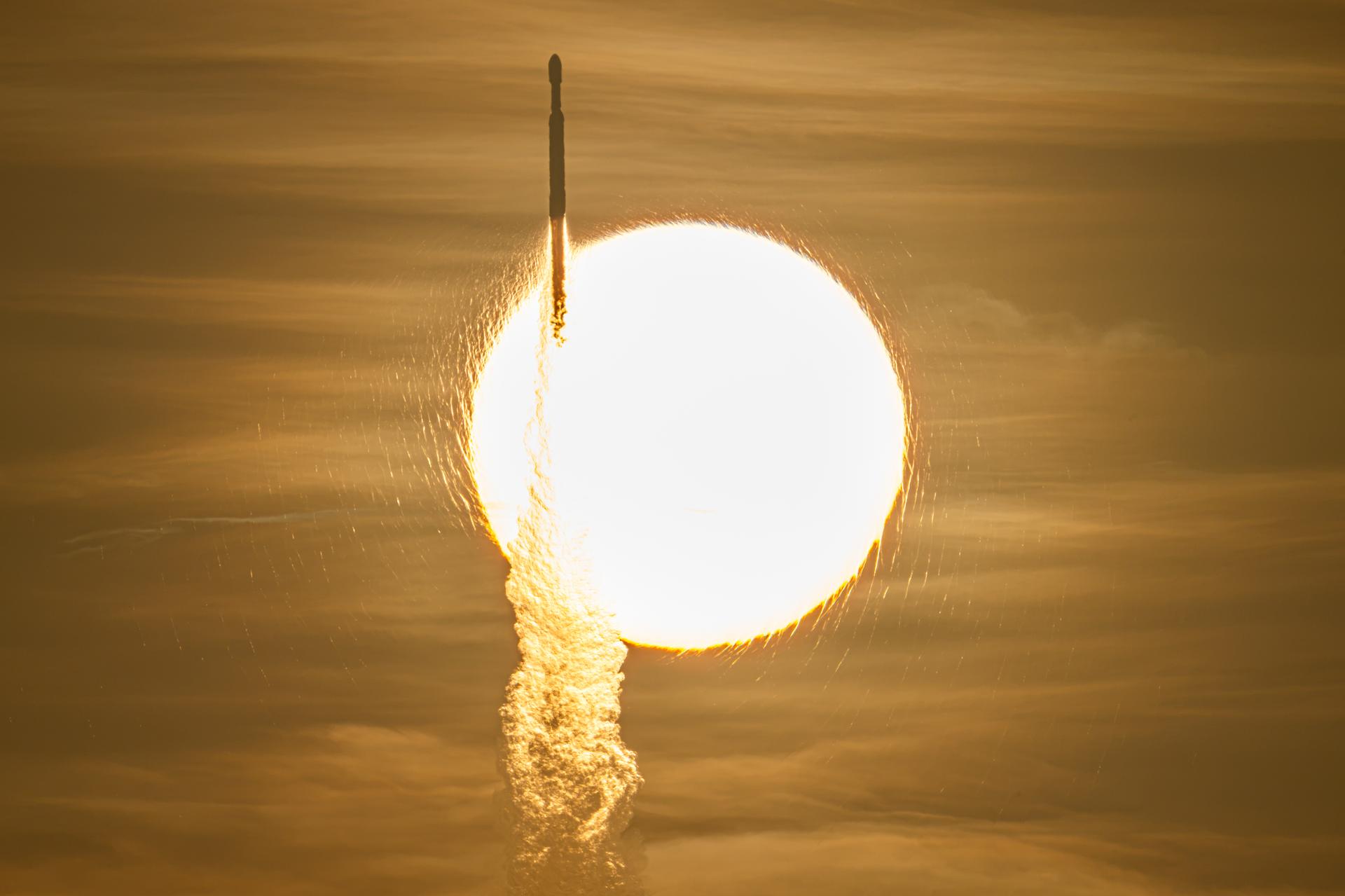
A Universe of Fun and Learning
Fun Exploring the Universe
Explore our universe with these inspiring, informative, and fun activities and related resources. From coloring pages to quirky videos, you’ll enjoy learning about our fascinating cosmos.
Astrobiology Learning Resources
Find coloring pages, graphic novels, and posters focused on astrobiology, or the study of life in the universe. Learn how it began, how it evolved here on Earth, and where it might exist elsewhere.
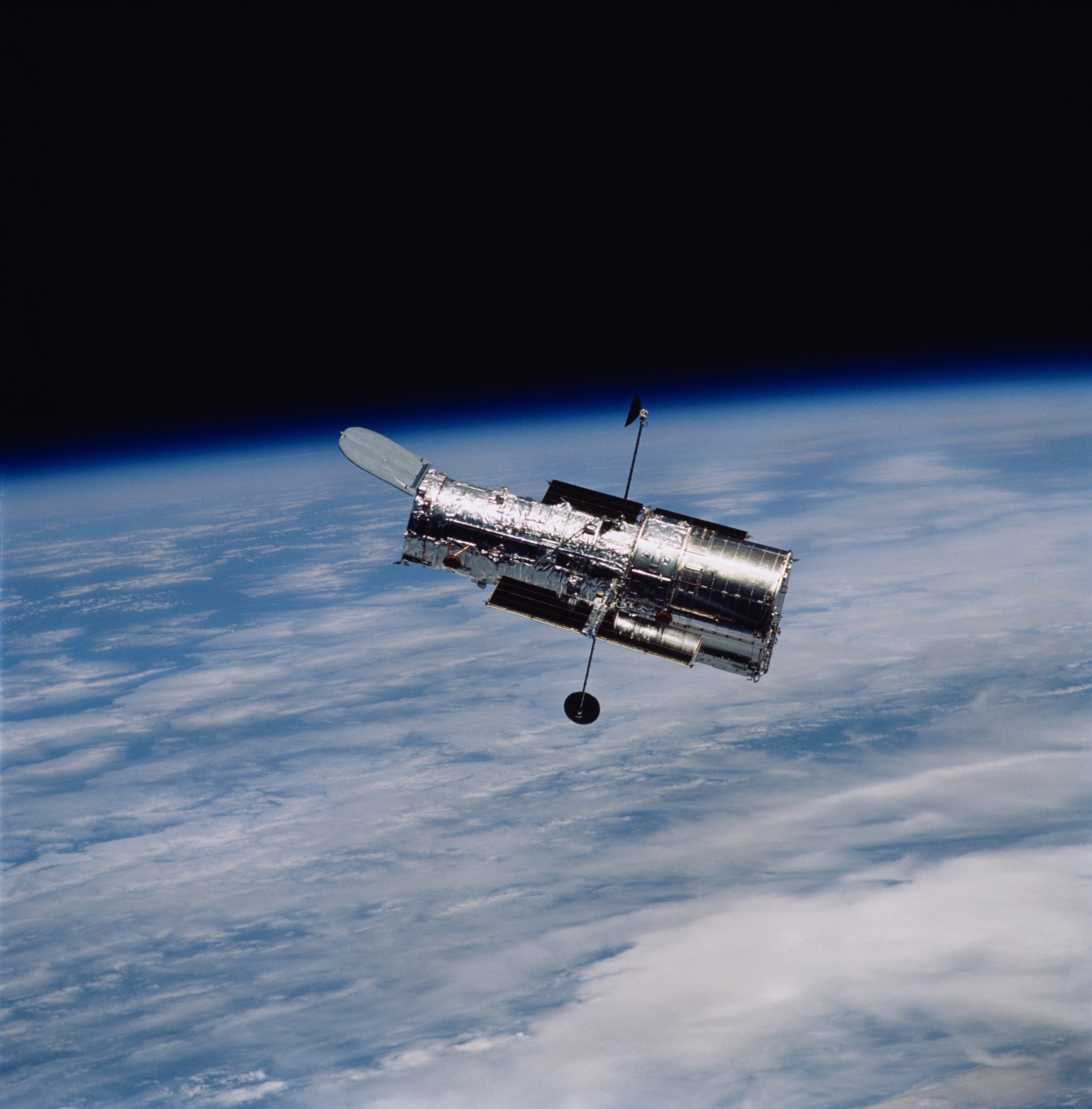
Online Activities with NASA’s Hubble
Expand your cosmic horizons and get to know Hubble. Explore interactives, sky maps, games, Hubble models, and more.

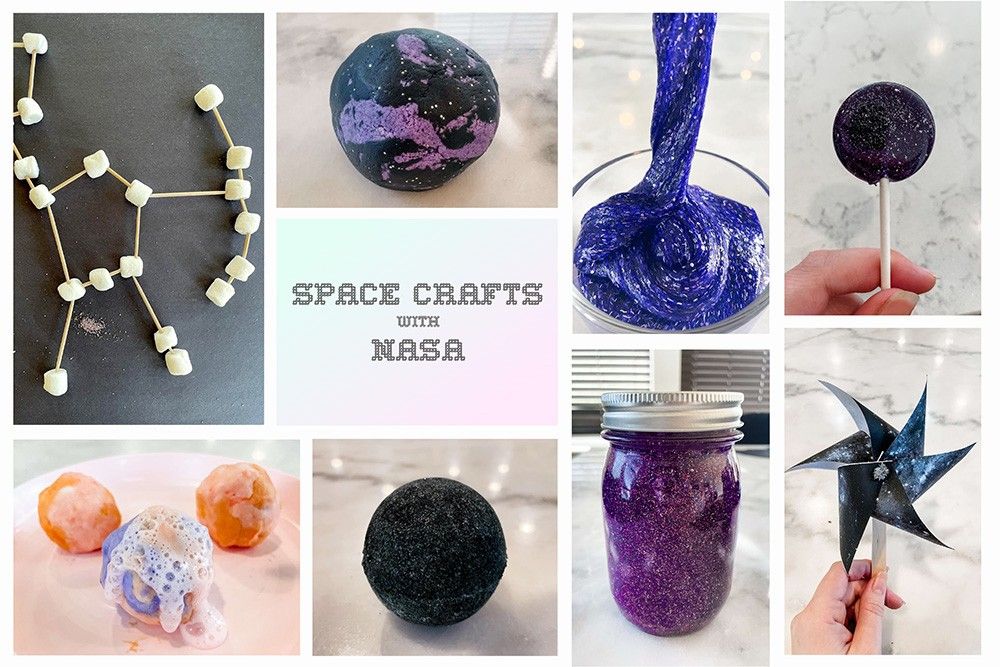
Learn with NASA’s Webb
Explore an ever growing list of Webb-related activities that illuminate, educate, and encourage you to create. Items in this page include art projects, virtual reality, 360 images, interactives, podcasts, models, games, books, posters, educational products, and more.
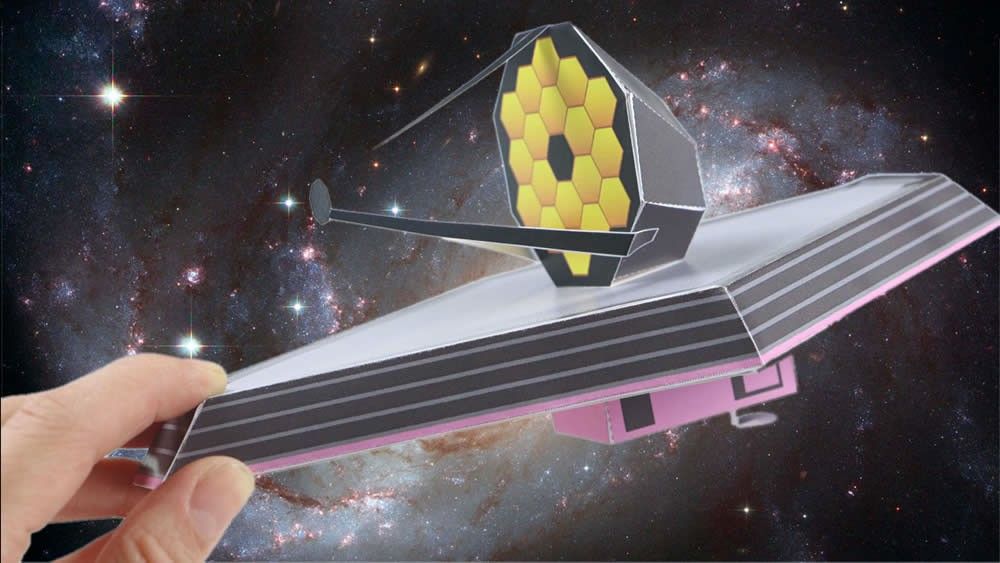
Roman's Educational Activity Center
Learning can be fun with NASA's Roman. Check out their activities.
Studying Dark Energy With NASA's Roman Space Telescope
Scientists have discovered that a mysterious pressure dubbed “dark energy” makes up about 68% of the total energy content of the cosmos.
Exploring the nature of dark energy is one of the primary reasons NASA built the Nancy Grace Roman Space Telescope, whose measurements will help illuminate the dark energy puzzle.
Galaxy Gallery: Galactic Gems Glisten in New Gallery From NASA’s Chandra


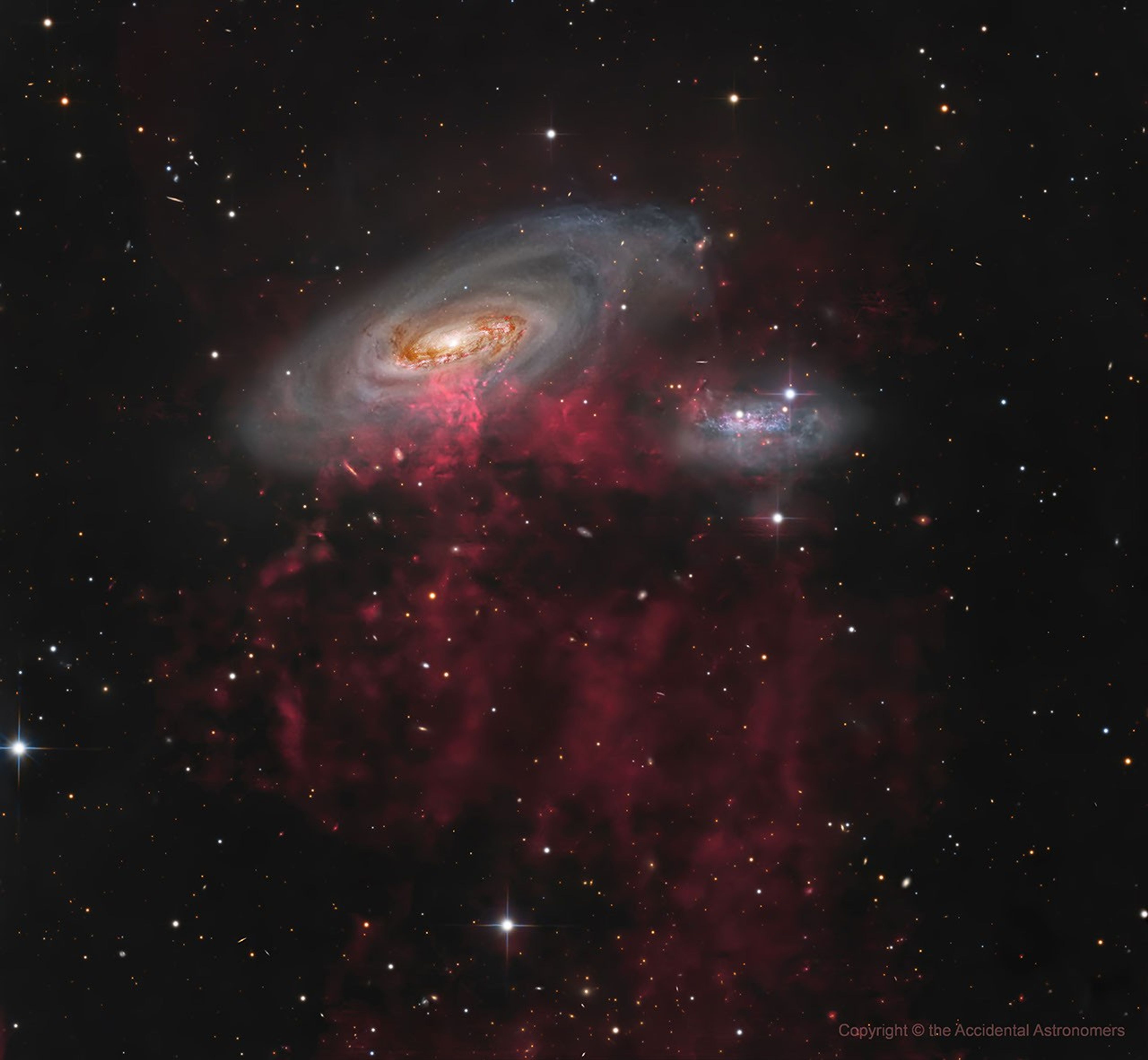


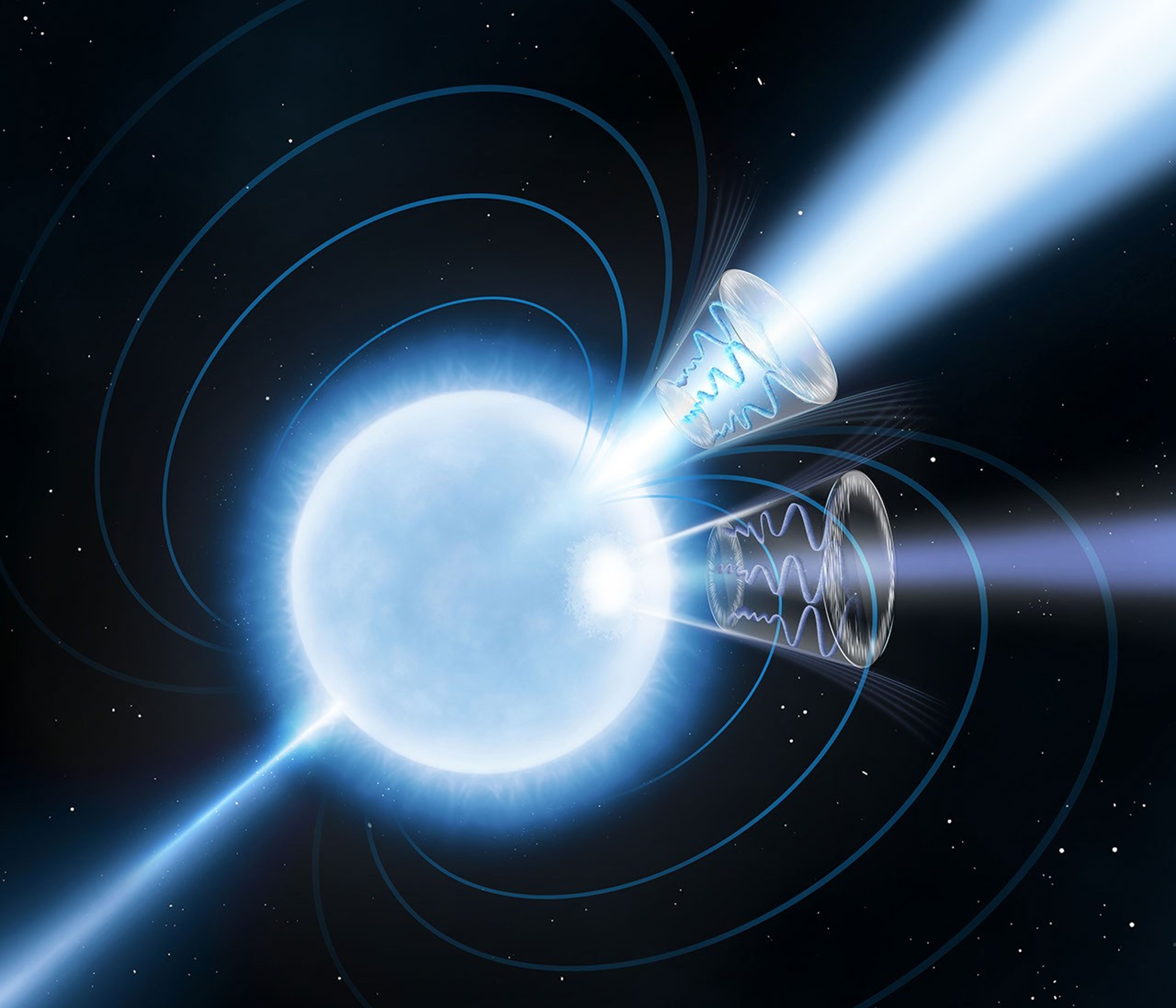
NASA’s IXPE May Have Proven 90-Year-Old Theory
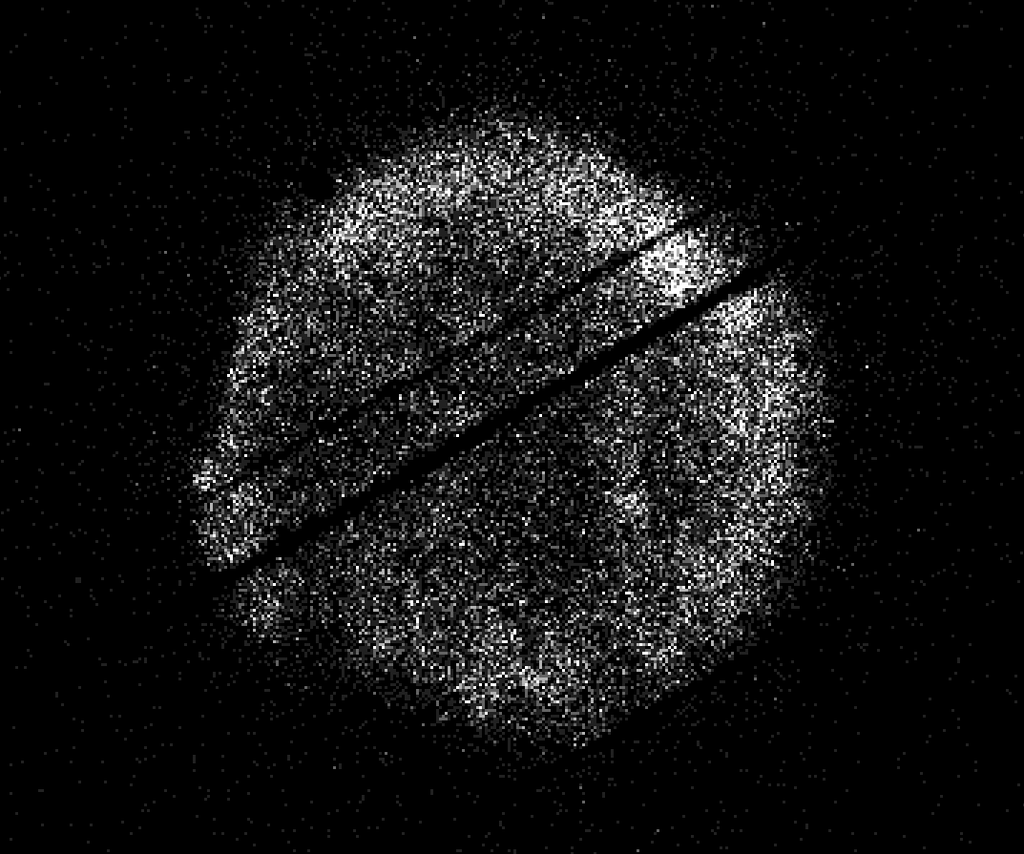
NASA’s IXPE (Imaging X-ray Polarimetry Explorer) found strong evidence to support a 90-year-old quantum theory that suggests the vacuum of space can be altered by extreme magnetic fields. IXPE used its unique X-ray vision on a supermagnetized stellar remnant to test this idea.
Learn More about NASA’s IXPE May Have Proven 90-Year-Old Theory